Pharmacy Benefit Management and 340B: A Hospital Guide
If you manage a hospital pharmacy, you've seen the phrase pharmacy benefit management everywhere lately. Weekly headlines about drug pricing under PBMs keep coming in the US healthcare industry. While all of this is going on, you and your team are trying to protect 340B savings and adapt to new manufacturer guidelines.
So how do these two worlds connect? A pharmacy benefit manager (PBM) sits between drug makers, health plans, and pharmacies. The 340B Drug Pricing Program is an intermediary between drug manufacturers and safety-net hospitals. They are separate systems, yet they touch the same drug dollars.
Here, we explain both using federal sources. We also show where rural hospitals can find savings that often go unclaimed.
What is Pharmacy Benefit Management?
Pharmacy benefit management refers to the process of managing a drug benefit program of a health plan or employer. Pharmacy benefit managers are responsible for this task. The Federal Trade Commission (FTC) defines PBMs as intermediaries who negotiate access to prescription drugs for more than 250 million people in America.
A PBM is responsible for:
Negotiating rebates and discounts with drug manufacturers
Building formularies, the lists of drugs a plan covers
Setting up pharmacy networks and reimbursement rates
Operating mail-order and specialty pharmacies
This is important for hospitals since the regulation of PBMs may affect the filling of prescriptions and the payment to pharmacies.
Pharmacy Benefit Management Companies Hold Serious Market Power
Pharmacy benefit management companies are a small group. As per its interim report published in July 2024, the FTC determined that the three biggest PBMs accounted for close to 80 percent of the total 6.6 billion prescriptions filled by pharmacies in 2023. The report further states that the top six PBMs handled more than 90 percent of the prescriptions.
The FTC also noted that pharmacies tied to the three largest PBMs account for nearly 70 percent of specialty drug revenue. That is important because many high-cost drugs are specialty products. These products include orphan drugs.
A second FTC staff report, released in January 2025, looked at specialty generic drugs. It found the three largest PBMs and their affiliated pharmacies generated more than $7.3 billion in revenue above estimated drug acquisition costs from 2017 to 2022.
In other words, PBM drug prices are under federal scrutiny. Hospital executives need to know about this, even if they never enter into a PBM agreement.
That scrutiny is not going away. Expect continued attention on rebates, transparency, and how drugs are priced and reimbursed. Hospitals that understand these moving parts can make smarter choices about purchasing and compliance.
A Quick Refresher on the 340B Drug Pricing Program
The US Congress created the 340B Drug Pricing Program. The aim of this program was that certain providers, called covered entities, can buy covered outpatient drugs at reduced prices. The Health Resources and Services Administration (HRSA) runs the program. 340B participating manufacturers may only sell to covered entities at or below a ceiling price.
As per the program, eligible covered entities are:
Disproportionate share hospitals
Children's hospitals
Critical access hospitals (CAHs)
Rural referral centers (RRCs)
Sole community hospitals (SCHs)
According to HRSA and the Congressional Research Service, the rules of the program are as follows:
Only patients seeking treatment in a covered entity can receive 340B drugs.
Covered entities cannot receive duplicate discounts from 340B and Medicaid rebates.
Covered entities need to be recertified every year.
HRSA and manufacturers can audit covered entities. It is essential, as noncompliance can bring civil monetary penalties.
Where PBM Drug Pricing and the 340B Program Meet
Here is how pharmacy benefit management drug pricing and the 340B program intersect.
Two Systems, One Prescription
A PBM negotiates rebates for health plans. The 340B program sets ceiling prices for hospitals. Both can touch the same drug, just in different ways. PBM network and reimbursement rules can also affect how 340B savings play out at the pharmacy counter.
That is why having accurate claims data and an efficient split-billing process is so important.
The 340B Rebate Model Pilot
HRSA is also experimenting with an alternative solution. On July 31, 2026, HRSA published a notice in the Federal Register concerning a modified 340B Rebate Model Pilot Program. In accordance with the pilot, certain manufacturers can offer the 340B ceiling price via rebate for a selected number of pharmaceutical products. The pilot program applies to manufacturers who meet certain requirements set by HRSA.
In this case, hospitals will experience some shift in cash management and data reporting processes. Now is the right time for you to check your processes.
Hospital Pharmacy Benefit Management and the Orphan Drug Exclusion
Hospital pharmacy benefit management looks different for rural and specialty hospitals. One big reason is the orphan drug exclusion.
HRSA explains that for RRCs, SCHs, CAHs, and free-standing cancer hospitals, the term "covered outpatient drug" does not include drugs designated for a rare disease or condition under section 526 of the Federal Food, Drug, and Cosmetic Act. Manufacturers are therefore not required to give these hospitals 340B pricing on orphan drugs. A manufacturer may choose to offer discounts at its sole discretion.
Since the October 2015 ruling, manufacturer discretionary pricing has been central to this issue. Policies vary by drug maker. And the policies change regularly. HRSA also publishes an orphan drug list that it updates each quarter.
This is where hospitals often lose money. Orphan drugs are costly, and a missed discount adds up fast. Tracking every manufacturer policy by hand takes hours your pharmacy team may not have.
Five Steps Rural Hospitals Can Take Now
You do not need a huge team to get started. These five steps give you a simple starting point:
Review your orphan drug purchases. Be familiar with the drugs you purchase and their uses.
Track manufacturer discretionary pricing. Verify which drug companies still give price breaks to CAHs, RRCs, and SCHs.
Update HRSA’s list of orphan drugs quarterly. The designations change, and so must your list.
Conduct an audit of your split billing system. Ensure that your software accounts for your facility and patient mixes.
Keep your documents ready for an audit. You could be audited by either HRSA or a manufacturer.
How 340B Orphan Drug Solutions Can Help
Traditional pharmacy benefit management services are built for health plans and employers. Hospitals need something different: support focused on 340B purchasing and orphan drug savings.
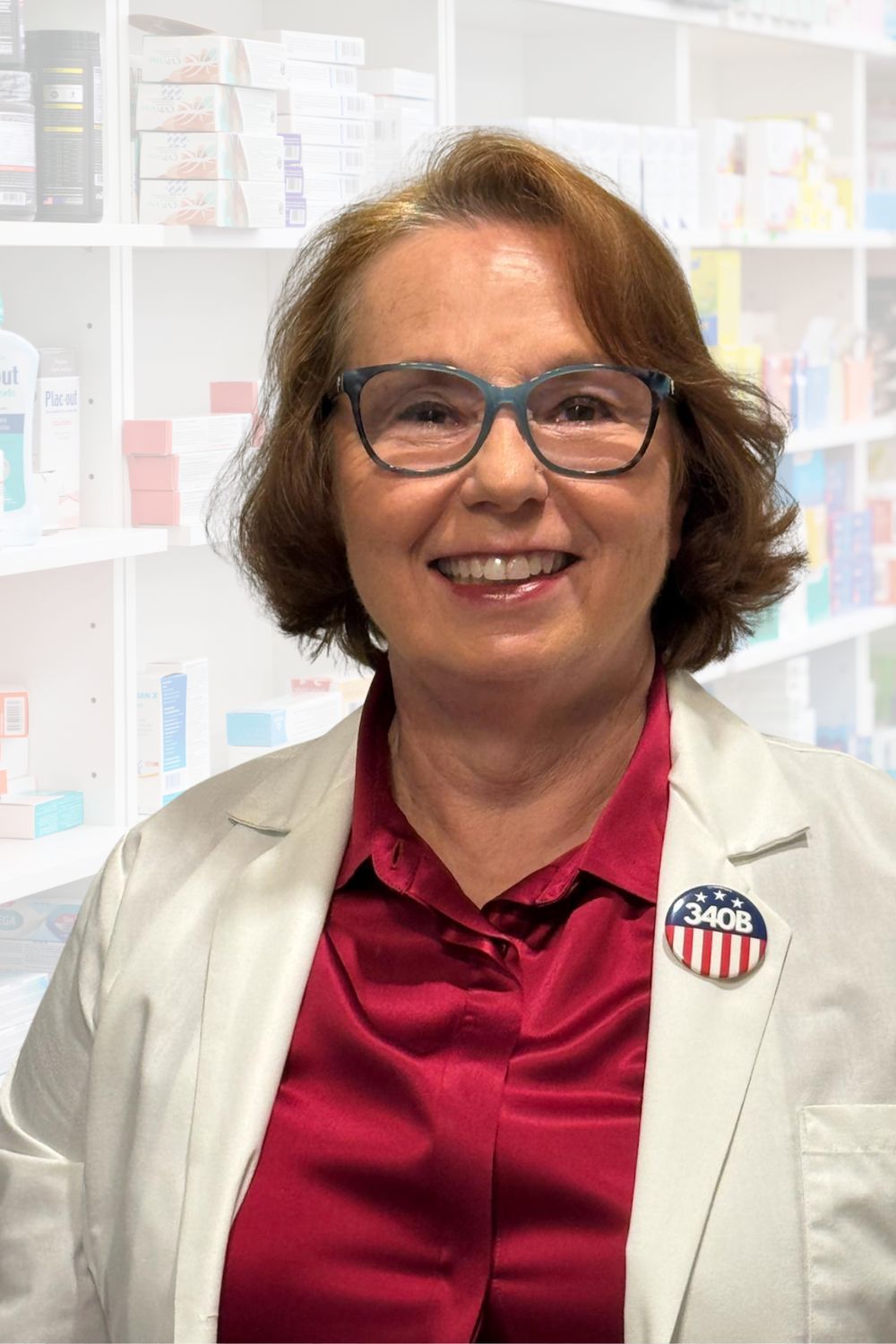
340B Orphan Drug Solutions was built for Critical Access Hospitals, Rural Referral Centers, and Sole Community Hospitals. Founder Dr. Lisa Nezneski, PharmD, BCPS, has spent more than 11 years focused on 340B orphan drugs. She has helped hospitals nationwide capture over $500 million in savings.
The turnkey system includes:
Tailored orphan drug lists for your facility type and case mix
Split-billing integration with upload-ready files
Automated quarterly updates on manufacturer pricing changes
Expert support, plus fractional consulting and team education
Want to go deeper? Explore our pages on orphan drug consulting, rural hospital pharmacy, and untapped 340B savings.
Find Out What Your Hospital May Be Missing
PBM headlines will keep coming. Your orphan drug savings should not have to wait. Schedule a call with Dr. Nezneski to review your current program, spot gaps, and build a plan that fits your hospital.
Schedule your call today or write to 340B Orphan Drug Solutions at [email protected]